Thailand Unfiltered: Overrated Traps vs. Underrated Gems

Thailand Unfiltered: Overrated Traps vs. Underrated Gems

Thailand Unfiltered: Overrated Traps vs. Underrated Gems

Thailand Unfiltered: Overrated Tourist Traps vs. Underrated Hidden Gems

🇹🇭 Tired of crowded attractions? Discover Thailand beyond the guidebooks where we reveal:

OVERRATED spots draining your time/money

UNDERRATED alternatives for authentic experiences

Thailand landscape collage

After 6 months exploring Thailand's 76 provinces, I discovered a harsh truth: 90% of tourists cluster in just 10% of destinations. This guide exposes the overhyped vs. the extraordinary hidden alternatives.

1. Bangkok's Temples: Grand Palace vs. Wat Prayurawongsawat

❌ OVERRATED: The Grand Palace

Crowded Grand Palace

Expect: 2-hour queues, 500฿ entry fee, shoulder-to-shoulder crowds, and aggressive touts. The stunning architecture is overshadowed by chaos. Locals avoid this place like plague.

✅ UNDERRATED: Wat Prayurawongsawat

Peaceful Wat Prayurawongsawat

Why go: Free entry, peaceful gardens, stunning white chedi, and authentic monk chats. Cross the hidden bamboo bridge to tiny Koh Kret island for legendary Mon pottery. Soul-soothing serenity.

2. Island Paradises: Phuket vs. Koh Kood

❌ OVERRATED: Patong Beach, Phuket

Overcrowded Patong Beach

Reality check: Traffic jams, inflated prices, polluted water, and beaches packed like sardine cans. The infamous Bangla Road feels like a tropical Vegas nightmare.

✅ UNDERRATED: Koh Kood (Koh Kut)

Secluded Koh Kood beach

Secret paradise: Thailand's last truly quiet island. Waterfalls with natural pools, $15 beach bungalows, bioluminescent plankton, and empty powder-sand beaches. No ATMs = no mass tourism.

3. Floating Markets: Damnoen Saduak vs. Amphawa

❌ OVERRATED: Damnoen Saduak

Touristy floating market

Warning: Scripted cultural show. Vendors hawk identical souvenirs. Boats jammed in putrid water. You'll pay 200฿ for a coconut while being photographed like a zoo animal.

✅ UNDERRATED: Amphawa

Authentic Amphawa market

Magic hour: Come Fridays at 3PM when locals shop. Taste grilled river prawns (80฿), hop a longtail to firefly forests at dusk. Sleep in stilt homestays. Real community vibes.

4. Mountain Escapes: Pai vs. Nan Province

❌ OVERRATED: Pai, Mae Hong Son

Packed Pai canyon

Truth bomb: What was hippie paradise is now Instagram hell. Traffic-clogged streets, overpriced vegan cafes, and "secret" pools crowded with influencers. The 762-curve drive isn't worth it.

✅ UNDERRATED: Nan Province Villages

Nan Province rice fields

Hidden North: Trek to Tai Lue villages like Nong Bua. Learn indigo dyeing from elders, sleep in 100-year-old teak houses, cycle through emerald rice terraces. Zero tourist infrastructure = pure gold.

"The real Thailand whispers. You find it when you ditch the checklist and wander where the wifi's weak."

5. Ethical Encounters: Elephant "Sanctuaries" vs. Real Conservation

❌ OVERRATED: Chiang Mai "Sanctuaries"

Tourists riding elephants

Greenwashing alert: 80% of "sanctuaries" still use bullhooks, force breeding, and offer unethical bathing/feeding sessions. Your selfie funds cruelty.

✅ ETHICAL CHOICE: Wildlife Friends Foundation Thailand (WFFT)

Ethical elephant observation

Respectful observation: Visit rescued elephants from 100+ meters. Volunteer long-term, learn true conservation. No touching, no feeding, no nonsense. Near Hua Hin.

The Golden Rule of Thai Travel

Local Thai market

True hidden gems require effort: Overnight buses, broken Thai phrases, and trusting toothless grandma's directions. But this is where Thailand's soul lives - beyond the influencer bubble. Dare to wander where the crowds turn back.

Pro tip: Use Thai Railways for 3rd-class adventures. You'll meet farmers, monks, and market vendors - the real VIPs.
 

I Followed This Traveller Blog for Thailand's Itinerary and Ended Up in a Movie

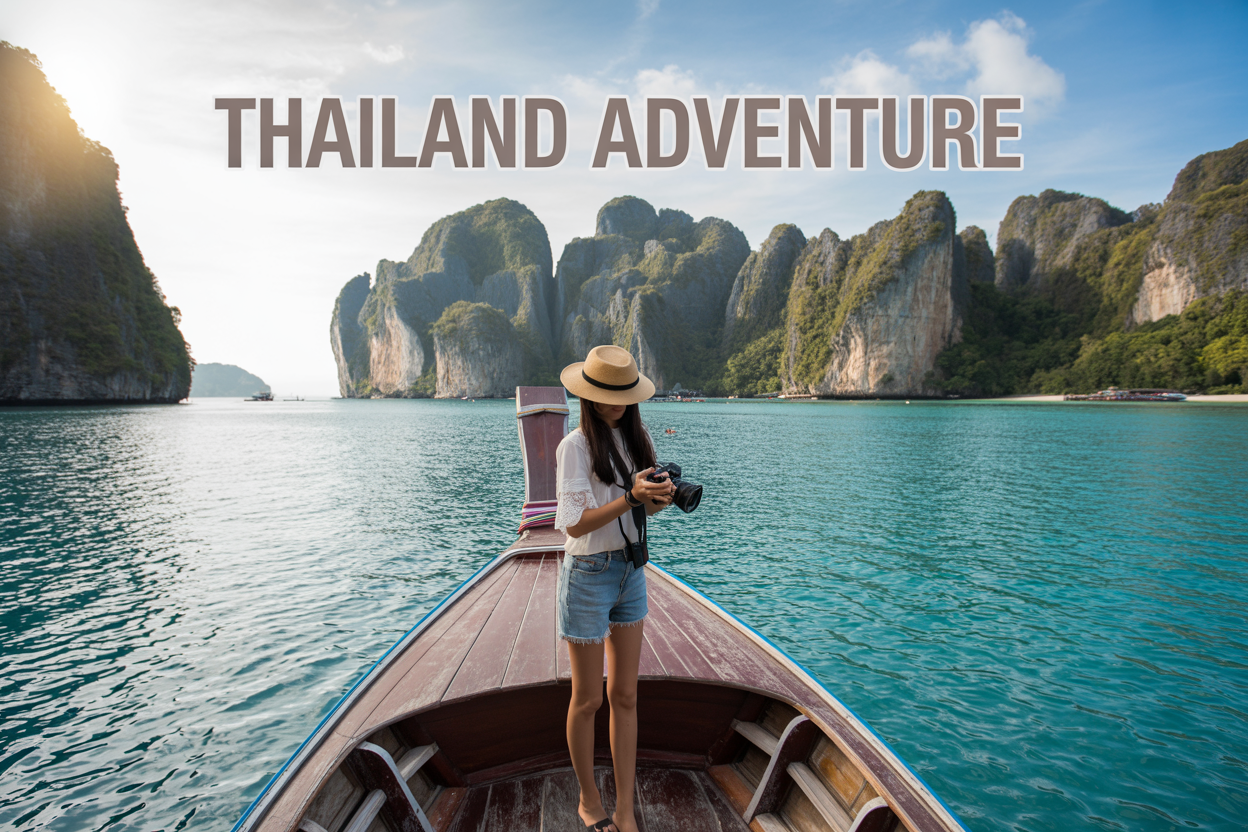
Create a realistic image of a young Asian female traveler standing on a long-tail boat in crystal clear turquoise waters of Thailand, with limestone karsts of Phi Phi Islands in the background, holding a camera, wearing a sun hat and summer clothes, with Maya Bay visible in the distance, golden sunlight creating a cinematic atmosphere, and text overlay saying "Thailand Adventure."

I Followed This Traveller Blog for Thailand's Itinerary and Ended Up in a Movie

Ever dreamed your vacation could turn into something straight out of Hollywood? That's exactly what happened during my Thailand adventure. This guide is perfect for spontaneous travelers who love following off-the-beaten-path recommendations that sometimes lead to unexpected opportunities. I'll share how a standard Thailand itinerary through Chiang Mai's temples and wildlife sanctuaries took an extraordinary turn when I reached the southern islands. You'll discover how following a travel blogger's exact route through Krabi and Phi Phi Islands led to my surprise appearance in a film production at Maya Bay, the famous location from "The Beach." Let's dive into this wild travel story!

Trip Planning and Preparation

Create a realistic image of a white female traveler sitting at a desk with maps of Thailand, guidebooks, and a laptop displaying travel blogs scattered around her, a highlighted itinerary with sticky notes, a half-packed suitcase nearby, a mug of coffee, and a small Thai souvenir like an elephant figurine, all under warm indoor lighting, creating an organized yet excited planning atmosphere.

Why Thailand Checks All Travel Boxes

Thailand isn't just another destination on your bucket list – it's THE destination that ruins all others for you.

First off, the bang for your buck is insane. You can feast like royalty on $3 street food that'll make you question every restaurant meal you've ever paid for back home. I'm talking flavor explosions that'll have you texting friends at 3 AM about that pad thai you just demolished.

The landscapes? Ridiculous. One day you're swimming in turquoise waters that look Photoshopped, the next you're wandering through lush jungles that make you feel like you're in a movie. Speaking of which...

The locals actually smile at you. Not that fake customer service smile – genuine warmth that makes you wonder why everyone at home seems so grumpy all the time.

Long Flight Essentials and Tips

That 16+ hour flight can be a nightmare or just a minor inconvenience. Your call.

Compression socks aren't just for your grandma anymore. Wear them. Your ankles will thank you when they don't look like water balloons upon arrival.

Download entire Netflix series before boarding. The in-flight entertainment hasn't been updated since 2019, trust me.

Neck pillows matter. Not those flimsy airport ones – invest in memory foam that actually supports your head when you inevitably pass out with your mouth open.

What to Pack for a Thailand Adventure

Ditch half of what you're planning to bring. You won't wear it.

Quick-dry everything is your best friend. That humidity is no joke – cotton becomes your enemy real fast.

Packing cubes changed my life, and they'll change yours too. Organize by outfit, not by item type. Future you will be grateful when you're not tearing through your entire backpack to find one t-shirt.

Bring one nice outfit. Just one. You'll need it when you accidentally stumble onto a movie set (but that's a story for another section).

Chiang Mai: Culture and Wildlife

Create a realistic image of a young Asian female traveler in casual attire exploring an ornate Thai temple in Chiang Mai, with golden statues and colorful decorations visible, while an elephant sanctuary appears in the background with gentle elephants roaming freely, all bathed in warm, late afternoon sunlight creating a magical cultural atmosphere.

A. Unforgettable Day at Elephant Nature Park

I wasn't prepared for what happened at Elephant Nature Park. While most tourists go for those elephant riding experiences, my travel blogger had insisted this ethical sanctuary was the only place to visit.

Best decision ever.

Walking into the park, I locked eyes with Mei, a rescued elephant with a limp from years of abuse in the logging industry. Something about her gaze just grabbed me. Our guide noticed and smiled, "She likes you."

The day was supposed to be simple - feed the elephants, help bathe them in the river, learn about conservation. But when the film crew showed up? Total game-changer.

They were shooting a documentary about ethical tourism and needed background footage. Next thing I know, I'm being miked up for an impromptu interview about why I chose this place over riding camps.

"Just be natural," the director said. Easy for him to say!

The coolest part was helping prepare medicine balls - bananas mashed with vitamins for the older elephants. Mei took hers right from my hand, her trunk gentle as a whisper. That moment made it into the final cut of the film.

B. Temple Hopping and Cultural Experiences

Chiang Mai has over 300 temples. Three hundred! My blogger's itinerary listed just five "must-sees" which seemed doable.

Doi Suthep was first - 309 steps up a mountain. Worth every sweaty step for those gold-plated stupas gleaming in the morning sun. An old monk noticed me struggling to understand the prayer ritual and motioned me over. He spent 20 minutes teaching me proper offerings while his younger colleague filmed us for their temple's social media.

That afternoon at Wat Chedi Luang, I stumbled into "Monk Chat" - where novice monks practice English with tourists. Monk Panyarath and I talked about basketball, meditation, and why Americans work so much. He asked if he could record our conversation for his English class project.

"You're in two films now," my tour guide joked.

At Wat Phra Singh, I accidentally walked into a wedding ceremony. Instead of kicking me out, the family invited me to join the celebration. The bride's uncle turned out to be a famous Thai TV director who insisted I appear in the wedding video.

C. Thai Food and Traditional Massages

Thai cooking isn't just about following recipes - it's feeling, smelling, tasting constantly. My cooking class instructor, Dao, kept laughing at my cautious approach to chili.

"More! More!" she'd say, slapping my back. "Food needs soul!"

The market tour before class was a sensory overload - durian that smelled like gym socks but tasted like custard, mangosteen so sweet it made my teeth hurt, and mysterious herbs I'd never seen before.

Our class dishes - pad thai, green curry, mango sticky rice - turned out surprisingly good. So good that Dao asked if she could film me for her cooking school's promotional video.

"You look so shocked when food tastes good," she laughed. "Very authentic reaction!"

After all that cooking and temple-climbing, I needed a massage. The traditional Thai place my blogger recommended had a two-hour wait, but it was legendary.

My massage therapist, a tiny woman with the strength of ten bodybuilders, folded me into positions I didn't know were possible. When she walked on my back, I made a noise that had the entire place laughing.

"Perfect sound effect," said the man getting massaged next to me. Turned out he was editing a film about traditional Thai healing practices and asked if he could record my "authentic reactions" for his soundtrack.

Island Paradise: Krabi and Phi Phi

Create a realistic image of a stunning beach in Krabi, Thailand, with turquoise waters and traditional Thai longtail boats floating near limestone karsts, golden sunlight bathing the scene, a few distant silhouettes of people swimming and relaxing on the white sand, lush tropical vegetation framing the edges, and the iconic Phi Phi Islands visible on the horizon.

A. Krabi's Breathtaking Views and Dining

I still get goosebumps thinking about my first glimpse of Krabi. Those limestone cliffs shooting up from turquoise waters? Nothing prepares you for that.

Skip the tourist traps and head straight to Railay Beach. Yeah, it's only accessible by boat, but that's exactly what makes it magical. The longtail boat ride costs about 100 baht, and the moment those massive rock formations come into view, you'll forget you ever complained about the price.

I stumbled upon this tiny restaurant called Flame Tree Restaurant where the pad thai changed my life. Not even exaggerating. The owner, Pim, remembers everyone's name and will likely invite you to join her family for dinner if you visit more than once.

For the best sunset view, drag yourself up to the Tiger Cave Temple. It's 1,237 steps of pure torture, but the panoramic vista at the top? Worth every drop of sweat. Pro tip: go early morning or late afternoon unless you enjoy feeling like you're melting.

B. Navigating to Phi Phi Islands

Getting to Phi Phi is half the adventure. I booked a speedboat through my hostel in Krabi for 800 baht round trip. Big mistake.

The next day, I walked down to the pier and found the same trip for 600 baht. Classic tourist tax.

The speedboat takes about 45 minutes and feels like you're in an action movie when it bounces over waves. The ferry is cheaper (400 baht) but crawls along for almost 2 hours. Choose based on your budget and how much you value your time versus your spine.

Weird thing – nobody mentions the smell when you first arrive at Tonsai Pier. It's a mix of saltwater, sunscreen, and street food that somehow becomes the scent of adventure.

Oh, and don't trust Google Maps on the islands. Just don't. I ended up walking in circles for an hour before an elderly local woman took pity on me and physically walked me to my destination, refusing payment but accepting a cold drink.

C. Finding the Perfect Island Accommodation

Phi Phi has this split personality when it comes to places to stay. One side (near Tonsai Village) never sleeps – perfect if your vacation goals include dancing until sunrise.

I wanted something quieter, so I booked at Long Beach. It's a 15-minute walk from the main area or a quick longtail boat ride. My bungalow cost 1,200 baht per night – not dirt cheap but reasonably priced for what you get: peace, a stunning beach, and actual sleep.

The absolute gem was Phi Phi Hill Resort. Sits on a hillside (shocking, I know) with views that'll make your Instagram followers hate you. It's where I met the film crew who eventually asked if I wanted to be an extra in their beach scene.

Budget travelers should check out Blanco Hostel – clean, central, and around 400 baht per night. Just bring earplugs.

One warning: book accommodation in advance during high season (November-April). I watched people sleeping on the beach because they couldn't find rooms. Not the tropical paradise experience most people dream about.

Island Adventures and Unexpected Moments

Create a realistic image of a white female traveler standing on a secluded Thai beach at sunset, looking surprised as a film crew captures a scene nearby, with longtail boats in the crystal-clear water, limestone karsts in the background, camera equipment visible, and local Thai crew members bustling around, creating a magical yet unexpected atmosphere where tourism and filmmaking collide.

Monkey Beach Encounters and Survival Tips

Picture this: I'm following this travel blog's itinerary to the letter, thinking I'm in for a chill day at Monkey Beach. Boy, was I wrong.

These aren't your cute zoo monkeys posing for Instagram. These are street-smart, snack-stealing ninjas with zero personal boundaries. One minute I'm setting up the perfect beach shot, and the next, a macaque is rifling through my bag like he's looking for his car keys.

Here's what the travel blog definitely didn't warn me about:

  • Those little thieves can smell food from a mile away. I opened a granola bar and suddenly had five new "friends"

  • They don't just want your snacks—they're after anything shiny. My sunglasses? Almost monkey property

  • Making eye contact is basically an invitation to party

After losing half my lunch and nearly my phone, I learned some crucial survival tactics:

  1. Keep all food sealed and hidden in your bag

  2. Hold your belongings close (especially cameras and phones)

  3. Don't smile at them—they see teeth as aggression

  4. Bring a stick or umbrella as a gentle deterrent

The wildest part? While trying to rescue my water bottle from a particularly bold monkey, I stumbled into a film crew shooting what turned out to be an indie travel documentary. Next thing I know, I'm signing release forms and becoming the unintentional comic relief in "Thailand Uncovered."

Private Speedboat Island Hopping Tour

When the blog suggested splurging on a private speedboat tour, I figured why not? Turned out to be the best decision of my trip.

Unlike the packed tourist boats crawling between islands, our speedboat zipped through the Gulf of Thailand like we owned the place. The captain knew secret coves and hidden beaches that weren't on any map I'd seen.

The tour included:

Island Highlight Time Spent
Koh Phi Phi Secluded northern beach 2 hours
Maya Bay Crystal lagoon (without crowds!) 1.5 hours
Bamboo Island Pristine white sand 2 hours

The movie connection? Our boat captain had worked as a location scout for "The Beach" and shared behind-the-scenes stories about Leonardo DiCaprio that weren't in any tabloid.

He took us to this tiny restaurant on a lesser-known island where the owner cooked the freshest seafood I've ever tasted. The film crew from Monkey Beach actually showed up there too—apparently they were following the same blog itinerary!

Snorkeling in Crystal Clear Waters

Nobody tells you how addictive snorkeling becomes once you try it in Thailand's waters. The blog mentioned it in passing, but nothing prepared me for what waited beneath the surface.

Dropping into those crystal waters was like entering another dimension. Schools of parrotfish darting around, sea anemones swaying in the current, and coral formations in colors I didn't know existed.

My best spot? A small reef just off Bamboo Island. The boat anchored in this protected cove, and I spent nearly two hours just floating above the underwater city below. No filter needed for those photos—the water clarity was unreal.

The director from the documentary crew actually joined me for this part, underwater camera in hand. We followed a sea turtle together for nearly 15 minutes, this ancient creature completely unbothered by our presence.

Tip: bring an underwater camera case for your phone. Trust me, you'll want proof of what you see down there because nobody at home will believe these colors exist in nature.

Movie Moment: The Beach and Maya Bay

Create a realistic image of a breathtaking view of Maya Bay in Thailand, with its crystal clear turquoise water, white sand beach surrounded by towering limestone cliffs, and lush greenery, under golden sunset lighting that creates a cinematic atmosphere reminiscent of the movie "The Beach," with a few longtail boats anchored offshore.

A. Visiting the Famous Film Location

Ever had one of those travel moments that made you feel like you were in a movie? Well, that's because I literally was. Following some random travel blog led me straight into Leonardo DiCaprio territory.

Maya Bay on Phi Phi Leh Island shot to fame after "The Beach" hit theaters in 2000. And yes, it's exactly as gorgeous as it looks on screen – maybe even better without Hollywood filters.

I arrived by long-tail boat, that iconic Thai vessel with the curved wooden bow and colorful ribbons dancing in the breeze. As we rounded the limestone cliff, the bay opened up before us – a perfect horseshoe of white sand embraced by towering rock walls draped in jungle.

The water? That impossible shade of blue that makes you question whether someone cranked up the saturation on reality. I half expected to see Leo himself emerge from the treeline, all wild-eyed and talking about his secret paradise.

What the movie doesn't prepare you for is how it feels to stand there. The sand is softer than it looks. The limestone cliffs create this natural amphitheater that somehow makes the waves sound musical.

Here's the thing though – Maya Bay got so popular it nearly died from overtourism. Thai authorities actually closed it completely from 2018 to 2022 to let the coral and marine life recover. Now there are strict visitor limits and you can't swim directly in the bay anymore.

Worth it? Absolutely. Just come prepared for the crowds and book through official channels.

B. Alternative Ways to Experience Maya Bay

Not into sharing your movie moment with 3,000 other tourists? Smart. Here are some better ways to channel your inner DiCaprio:

  1. Take the sunset or sunrise tour. Most visitors hit Maya Bay mid-day. Coming early or late means fewer people and that golden light photographers drool over.

  2. Visit during shoulder season (May-June or September-October). You'll dodge both peak tourist crowds and monsoon closures.

  3. Book a sleeping boat. Some tours let you anchor nearby overnight. You'll get Maya Bay at dawn when it's practically empty.

  4. Explore the back side. While everyone crowds the famous beach, hike the short trail to the back of the island for views most tourists miss.

  5. Consider neighboring bays. Pileh Lagoon and Loh Samah Bay offer similar stunning scenery with a fraction of the crowds.

C. Photography Tips for Capturing Paradise

Maya Bay is ridiculously photogenic, but getting shots that don't scream "tourist trap" takes some work.

Timing is everything. The harsh midday sun washes out those vibrant colors. Early morning creates this dreamy mist over the water, while late afternoon gives you that golden glow on the cliffs.

Frame with nature. Use the curved edges of long-tail boats or overhanging tree branches to create natural frames around your shots.

Go wide, then go tight. Capture the panoramic sweep of the bay, then zoom in on details – water droplets on leaves, patterns in the sand, or the texture of the limestone.

Get in the water. Some of the most striking shots come from partially submerged positions. Waterproof cases aren't just for safety – they offer unique perspectives.

Play with perspective. Everyone takes the same shot from the beach looking out. Try climbing higher on the surrounding paths or getting low to the ground.

Embrace imperfection. Sometimes the most compelling images include other tourists or boats – they tell the true story of this place where fantasy and reality collide.

Practical Thailand Travel Tips

Create a realistic image of a travel journal or notebook open on a wooden table at a Thai beach cafe, showing handwritten notes about Thailand travel tips, with a smartphone displaying a map of Thailand, a small bottle of mosquito repellent, Thai baht currency, and a half-drunk coconut drink beside it, soft natural lighting filtering through palm trees, capturing the practical essentials for Thailand travel.

A. Budgeting and Cost Expectations

Thailand won't drain your wallet like those fancy European vacations. That's why backpackers flock here like birds heading south for winter.

I budgeted around $30-50 per day and lived pretty comfortably. Here's the real deal on costs:

  • Accommodation: $10-15 for decent hostels, $25-40 for mid-range hotels

  • Street food: $1-3 per meal (and trust me, it's better than the fancy stuff)

  • Restaurant meals: $5-10

  • Local beer: $2-3

  • Full-day tours: $25-50

The north (Chiang Mai, Pai) is way cheaper than southern beach spots like Koh Samui or Phuket. Makes sense, right? Everyone wants those postcard beaches.

And here's something they don't tell you - prices drop dramatically once you step away from tourist hotspots. Walk just two streets back from the main drag in Bangkok and watch prices fall by half.

Carry cash. Credit cards work in bigger places, but that amazing pad thai stand at the night market? Cash only. ATMs charge about $7 per withdrawal, so take out larger amounts less frequently.

B. Transportation and Language Barriers

Getting around Thailand is surprisingly easy. The transportation network is like a well-oiled machine designed for tourists.

For city travel:

  • Tuk-tuks: Fun but pricey. Always negotiate before getting in.

  • Grab (Southeast Asian Uber): Lifesaver in cities, no haggling needed.

  • Motorbike taxis: Cheap, fast, terrifying.

For long distances:

  • Overnight buses: $15-25, surprisingly comfortable

  • Trains: $8-30 depending on class (splurge for 2nd class A/C)

  • Budget airlines: AirAsia, Nok Air, Lion Air can be cheaper than ground travel

The language barrier isn't as scary as you'd think. In tourist areas, basic English gets you by. Outside those bubbles, the Google Translate app becomes your best friend.

Quick tip: Learn these Thai phrases and doors will open:

  • "Sawadee kha/khrap" (hello - women/men)

  • "Khob khun kha/khrap" (thank you)

  • "Nee tao rai?" (how much is this?)

C. Health and Safety Considerations

Thailand's safer than your mom thinks, but some common sense goes a long way.

Health stuff first:

  • Drink bottled water. Always.

  • Street food is generally safe if it's hot and freshly cooked.

  • Pack basic meds: Imodium, pain relievers, and rehydration salts.

  • Mosquito repellent isn't optional. Those little vampires carry dengue.

Most tourists never need it, but Thailand has excellent hospitals in major cities. Bangkok's Bumrungrad Hospital feels more like a hotel than a hospital.

Travel insurance isn't just for paranoid people. Medical evacuation costs more than your car.

Safety-wise, Thailand feels surprisingly secure. The most common issues? Motorbike accidents and scams.

Common scams to watch for:

  • "The Grand Palace is closed today" (it's not)

  • Gem store "special government sales" (they're worthless stones)

  • Tuk-tuk drivers offering super cheap rides (they'll take you shopping)

Keep your wits about you, especially in crowded areas like Khao San Road or full moon parties. And maybe don't rent a motorbike after those bucket drinks.

Create a realistic image of a serene Thai sunset over Railay Beach with silhouettes of long-tail boats gently rocking on turquoise waters, limestone cliffs in the background, and a small group of diverse travelers (white male, Asian female, black male) sitting on the beach looking out at the horizon, capturing the peaceful conclusion of an adventurous Thailand journey.

Following a travel blog led me to experiences beyond my wildest dreams in Thailand. From the cultural immersion in Chiang Mai to the breathtaking islands of Krabi and Phi Phi, each destination offered something magical. The unexpected filming opportunity at Maya Bay transformed what was already an amazing trip into a once-in-a-lifetime adventure.

Thailand has a way of surprising even the most prepared travelers. Whether you're planning your own Thai adventure or simply dreaming of distant shores, remember that sometimes the most memorable moments come when you least expect them. Pack your sense of adventure, follow your curiosity, and who knows – you might just find yourself starring in your own unexpected story.

The Shocking Reason Why This Traveller Blog for Thailand Refuses to Recommend Phuket

The Shocking Reason Why This Traveller Blog for Thailand Refuses to Recommend Phuket

Tips on placement Place the ad inside any of your pages that have text. We suggest 2 paragraphs below the start of the article. However, don't place the ad in the sidebar as this can negatively affect performance. Important: If you’d like to place more than one ad, make sure that you allow for sufficient content in between ads to minimise disruption to your readers. Copy and paste this code on your site. Place the ad code on articles you want ads to appear in, in between the HTML of your content It can take 20–30 minutes for the ad to appear on the page. At first, the ad might show as a normal display ad, but it will soon be replaced by a native ad. See the code implementation guide ⁠‎ for more details.


The Shocking Reason Why This Traveller Blog for Thailand Refuses to Recommend Phuket

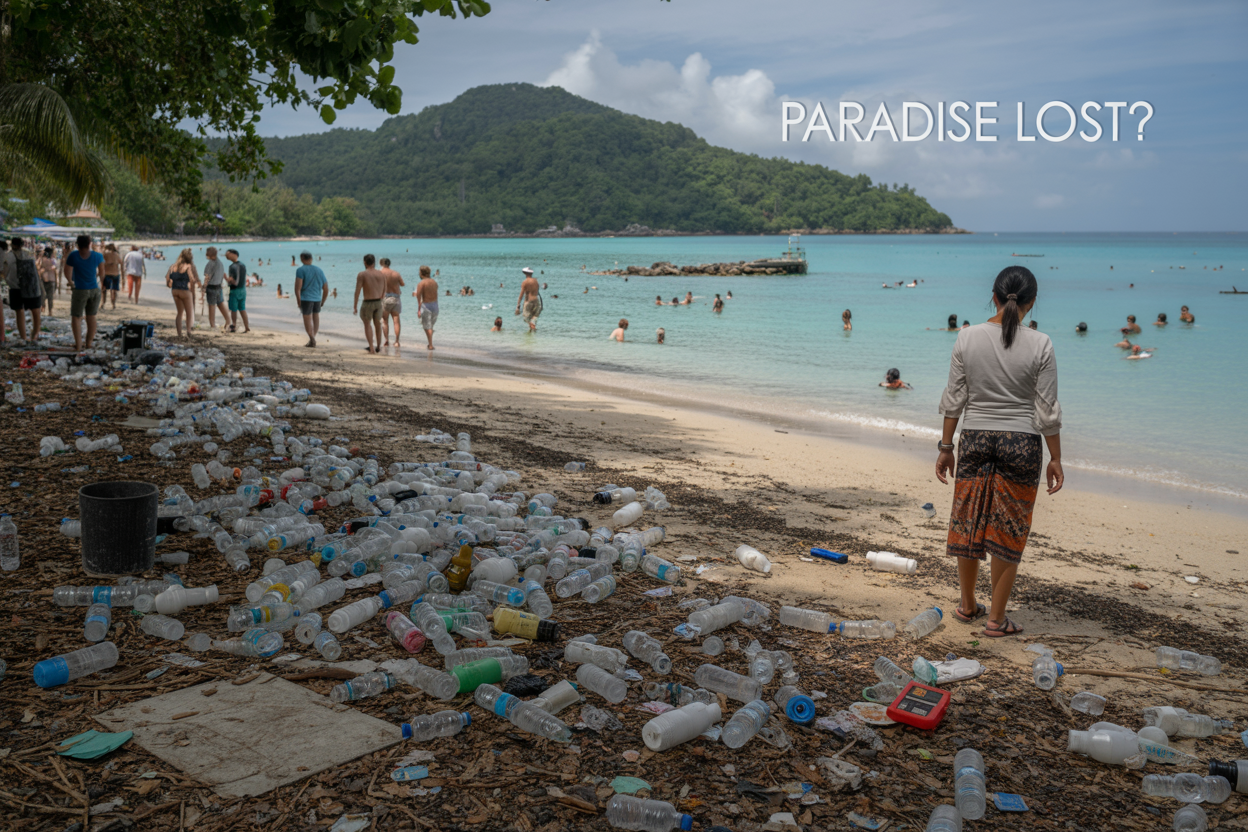
Create a realistic image of a once-pristine Thai beach in Phuket now overcrowded with tourists, showing stark contrast between a small area of beautiful turquoise water and the majority of the shoreline littered with plastic waste, empty bottles, and discarded items. A Thai female vendor looks on with resignation while Western tourists continue partying nearby, oblivious to the environmental impact. A "Paradise Lost?" text overlay appears in the corner.

The Shocking Reason Why This Traveller Blog for Thailand Refuses to Recommend Phuket

Frustrated backpackers and conscious travelers looking for authentic Thai experiences often ask why Phuket doesn't make our recommended destinations list. Despite its stunning beaches, this popular island has become a victim of overtourism, creating problems we can't ignore. In this post, we'll expose the disappointing reality behind Phuket's tourism industry, highlight how certain tourist behaviors are damaging local communities, and share alternative destinations where you can experience Thailand's true beauty without the drawbacks.

The Disappointing Reality of Phuket's Tourism

Create a realistic image of an overcrowded, littered beach in Phuket with disappointed Asian and white tourists navigating through rows of cheap souvenir stalls, overpriced beachside restaurants, and touts aggressively approaching visitors, while sewage pipes visibly empty into the murky water under a hazy sky.

The Disappointing Reality of Phuket's Tourism

A. Overwhelming commercialization focused on tourists

Phuket has become a victim of its own success, earning the unfortunate title of the world's most overcrowded tourist destination. With tourists outnumbering locals at a staggering ratio of 118 to 1, the island has lost much of its authentic charm. The rapid commercialization has transformed what was once a paradise into a place where tourists dominate every space—from beaches to cafés. Signs, menus, and businesses increasingly cater to foreign tourists rather than preserving Thai culture, with some areas effectively becoming foreign enclaves, particularly Russian ones.

B. Inflated prices targeted at foreigners

The economic impact of mass tourism has made Phuket one of Thailand's least affordable destinations. Unlike more affordable alternatives such as Bangkok or Chiang Mai, Phuket's cost of living has skyrocketed. Rising expenses for rent, food, and transportation have created a situation where the value no longer matches the price. What's particularly concerning is that this inflation occurs alongside a declining quality of life, creating a poor cost-to-value ratio for both tourists and expats. The property market is heavily inflated, with many suspecting that foreign money laundering plays a significant role in artificially driving up prices.

C. Poor water quality and environmental degradation

The environmental toll of Phuket's overdevelopment is severe and worsening. Once pristine beaches and coral reefs have suffered extensive damage from pollution and erosion, resulting in biodiversity loss and habitat destruction. Water quality has deteriorated noticeably, with many beaches now polluted from the impact of mass tourism. The island is literally sinking under its waste crisis, with garbage disposal systems completely overwhelmed. Environmental issues extend beyond the beaches—flooding, landslides, and water shortages have become increasingly common, with some areas like Patong and Kamala experiencing serious water supply problems.

D. Lack of authentic Thai cultural experiences

Perhaps most disappointing for travelers seeking authentic experiences is the cultural erosion taking place. Traditional Thai cultural practices have been increasingly replaced by commercialized, tourist-oriented activities that lack authenticity. The once-distinctive Thai character of Phuket is fading rapidly, with westernization and foreign influences dominating the landscape. The island simply "doesn't feel like Thailand anymore," as local culture is drowned out by mass tourism. This homogenization has created an environment where visitors seeking genuine Thai experiences are often left disappointed by the overly commercial atmosphere that bears little resemblance to authentic Thailand.

The Alarming Tourist Behavior

Create a realistic image of a crowded beach in Phuket with white male tourists littering alcohol bottles on the sand, ignoring nearby trash bins, while local Thai workers clean up after them in the background, creating a stark contrast between disrespectful behavior and the natural beauty of the coastline, with a somber mood enhanced by late afternoon lighting.

The Alarming Tourist Behavior

A. Disrespectful attitudes toward locals

Tourists in Thailand's popular destinations like Phuket have increasingly displayed troubling attitudes toward locals. As evidenced in recent incidents, the relationship between visitors and residents has become strained. In one notable case, a Swiss national named Urs Fehr was involved in an altercation with a Thai woman doctor on a Phuket beach. This confrontation, which reportedly involved physical aggression, highlights how some tourists fail to show basic respect to Thai citizens, even professionals such as doctors.

B. Excessive drinking and inappropriate conduct

The reference content reveals how the intoxicating nightlife atmosphere in Thai tourist destinations often leads to inappropriate behaviors. In Pattaya Beach, an incident recorded in the early hours showed tourists openly urinating in the beach waters around 1 a.m., likely under the influence of "late-night libations." This type of conduct, where "inhibitions are often left at the sandy doorstep," has become increasingly common and reflects poorly on visitor conduct in Thailand's beautiful coastal areas.

C. Littering and environmental disregard

Environmental disrespect extends beyond personal misconduct to broader ecological damage. The incidents documented show tourists treating Thailand's natural resources with little regard. Beach pollution from improper waste disposal and bodily functions directly impacts the "natural beauty" of places like Pattaya Beach. These actions contradict the very reason many visit Thailand—to experience its "unrivaled charms" and pristine environments.

D. Offensive language and cultural insensitivity

Cultural insensitivity manifests in various ways across tourist hotspots in Thailand. The documented cases reveal visitors engaging in behaviors that would be unacceptable in their home countries, suggesting a disturbing double standard. The "cultural clashes" mentioned in the reference material point to a fundamental lack of understanding or respect for Thai customs and societal norms.

The incidents in both Pattaya and Phuket demonstrate the urgent need for what locals describe as "sustainable tourism; one where public hygiene and visitor behavior are mutually respected." As local voices increasingly express "a mix of indignation and disappointment," there are growing calls for better enforcement of behavioral standards and a renewed "cultural dialogue that ensures every visitor experiences Thailand's unrivaled charms respectfully and responsibly."

The Impact on Local Communities

Create a realistic image of a Thai fishing village near Phuket where traditional wooden houses on stilts contrast with large luxury hotel developments in the background, showing an elderly Thai female vendor with a worried expression sitting beside her small market stall with few customers, while foreign tourists walk past toward the resorts, capturing the socioeconomic impact of mass tourism on local communities.

The Impact on Local Communities

A. Forced adaptation to meet tourist demands

The tourism boom in Phuket has forced local communities to adapt their way of life dramatically. Traditional businesses and cultural practices have been sidelined in favor of tourist-oriented activities, leading to what experts call "cultural homogenization." Local markets that once served community needs have transformed into souvenir shops catering exclusively to visitors. This shift has fundamentally altered the economic landscape, with many residents abandoning traditional livelihoods to work in the tourism sector.

Infrastructure originally designed for local populations now strains under tourism pressure. As one local explains, "That can mean a round-trip commute to work lasting twice as long as before the pandemic," highlighting how daily life has been disrupted by tourism-related congestion.

B. Changing attitudes of locals toward visitors

The relationship between locals and tourists has grown increasingly strained. As Professor Marta Soligo notes, "Overtourism can exacerbate a conflictual relationship between tourists and residents due to visitors' lack of respect for the local community and locals feeling overwhelmed by the crowds."

This sentiment is echoed by residents like Vassana Toyou, whose quality of life has deteriorated due to tourism-related waste management issues. "There is no life outside the house, we just stay at home," she explains, describing how the island's landfill has replaced her mountain view. "The smell is very strong, you have to wear a mask." Her experience represents the growing resentment among locals who bear the environmental costs of tourism.

C. Economic dependence on degrading tourism

Phuket has developed an unhealthy economic dependence on a tourism model that degrades its own foundations. The island earned the dubious distinction of being "the world's most over-touristed city, with 118 tourists for every local resident." Local businesses now face difficult economic realities, including paying "2-3 times higher for private water supply" during shortages caused by hotel overconsumption.

While tourism brings revenue, the economic benefits often bypass local communities. Kiatanantha Lounkaew, an Assistant Professor at Thammasat University, suggests that implementing a "Circular Economy" approach could help keep tourism dollars within local communities rather than flowing to outside investors.

D. Loss of traditional culture and values

Perhaps the most profound impact is the erosion of Phuket's cultural heritage. Traditional cultural practices have been commercialized and diluted to meet tourist expectations. The authenticity of local experiences has diminished as cultural elements become performances staged for visitors rather than living traditions.

In Chiang Mai, a similar pattern emerges where "narrow lanes designed for local foot traffic now choke with tour buses, disrupting religious ceremonies at temples." The beloved Sunday Walking Street market has become "so overcrowded that locals avoid what was once a cherished community gathering."

Long-term residents in places like Koh Samui have been "displaced inland as property prices along the beaches have soared and are converted into hotels and Airbnbs," severing communities from their traditional lands and lifestyles. This displacement represents not just a physical relocation but a disruption of cultural continuity and community bonds that had developed over generations.

The Environmental Consequences

Create a realistic image of a once-pristine beach in Phuket now littered with plastic waste, discarded bottles, and trash along the shoreline, with murky water contrasting against the natural beauty of the surrounding limestone cliffs, showing environmental degradation under a hazy sunset, creating a somber mood that highlights the environmental consequences of overtourism.

The Environmental Consequences

A. Pollution of once-pristine beaches

Phuket's beautiful beaches, once known for their pristine white sands and inviting azure waters, are now suffering from severe pollution. Beach clean-up efforts regularly collect dozens of bags filled with trash, primarily plastic water bottles, cigarette lighters, single flip-flops, food wrappers, and fishing nets. Most concerning is that much of this waste forms tide lines, indicating it has already been in the ocean, causing damage to marine life before washing ashore.

What's particularly alarming is that most plastic found on beaches isn't from careless beachgoers but travels from distant sources. Some comes from Indonesia, while the majority results from littering far from beaches or garbage blown from waste containers. This debris travels through storm drains to klongs (canals) before ending up in the ocean.

B. Damage to fragile island ecosystems

The environmental damage extends beyond beaches to Phuket's fragile ecosystems. Coral reefs have been severely damaged by pollution and erosion, leading to a concerning loss of biodiversity and natural habitats. Marine life is particularly affected, with plastic waste killing sea turtles, dolphins, and dugongs.

In one heartbreaking example, a 15-year-old endangered Hawksbill sea turtle was found dead floating near Koh Juang. Like many other sea turtles found dead in Thai waters, it likely died from ingesting plastic. Four sea turtles were found dead in Thai seas in a single week, with most having plastic bags or pieces in their stomachs.

C. Excessive boat traffic and fuel contamination

The klongs (canals) in areas like Koh Siray are clogged with plastic and contaminated with bacteria and fecal matter. This pollution flows directly into surrounding waters, contaminating the same fish that often end up on dinner plates. Boat traffic has contributed to water pollution through fuel contamination, with oil joining heavy metals and other pollutants in the water.

Local children are developing skin rashes and illnesses from contact with contaminated water. The environmental damage is so severe that scientific remediation efforts are now exploring using mushrooms (micro meditation) to remove oil, heavy metals, bacteria, nitrates, and sulfates from klong water.

D. Unsustainable tourism practices

The exponential increase in tourism—from 3 million visitors in 2003 to 13 million in 2013—has created unsustainable pressure on the island's resources. Each person on Phuket generates 1.13 kilograms of waste daily (50% biodegradable), resulting in over 1,000 tonnes of waste sent to the Saphan Hin incinerator every day.

The island's waste management system is overwhelmed, with four of the five landfill sites at the incinerator complex already full. Between October 2017 and September 2018, about 925 tons of waste was delivered daily, with 7.18 million tons improperly disposed of. Single-use plastics constitute a significant portion of this waste: plastic bags (15%), straws (5%), and cigarette butts (5%).

Water resources are also strained, with water rations implemented in major residential and business areas in 2019 as the government struggled to conserve plummeting supplies in the island's main reservoirs. This water scarcity is exacerbated by degrading ocean water quality as it becomes infested with plastics, bacteria, and other waste.

Finding Authentic Thailand Beyond Phuket

Create a realistic image of a young Asian female traveller sitting on a wooden porch of a traditional Thai stilt house, overlooking terraced rice fields in Northern Thailand at golden hour, with locals working in the distance, a small authentic village visible nestled among hills, string lights hanging overhead, and her travel journal open beside her with "Beyond Tourist Trails" visible on the page.

Finding Authentic Thailand Beyond Phuket

Alternative destinations like Chiang Mai

While Phuket has become overcrowded and commercialized, Thailand offers numerous authentic alternatives where travelers can experience the true essence of Thai culture and natural beauty. Chiang Mai, located in northern Thailand, stands as one of the best alternatives for those seeking a more cultural experience. This artistic, hipster city maintains a laid-back atmosphere despite its size, combining urban amenities with countryside tranquility. The annual Chiang Mai Flower Festival is a highlight that showcases local traditions in a way that Phuket's tourist-centered events cannot match.

Northern Thailand offers a completely different experience from the southern beaches, with opportunities for trekking to waterfalls, volunteering at ethical elephant sanctuaries, and exploring mysterious landscapes. Many travelers recommend flying directly from Bangkok to Chiang Mai and spending 3-7 days in the north before heading to island destinations.

Seeking cultural experiences away from tourist hotspots

For those looking to escape mass tourism and discover authentic Thailand, venturing off the beaten path is essential. Southern Thailand's lesser-known provinces like Nakhon Si Thammarat combine Muslim food and architecture with charming villages amid lush jungles—and yes, some excellent beaches without the crowds.

Surat Thani (beyond just being a gateway to Koh Samui) showcases a decidedly slower pace of life with sleepy villages filled with buffalo-dotted rice paddies. The city itself features exciting fresh markets and dramatic Buddhist temples that offer glimpses into everyday Thai life.

East coast explorations, away from the typical tourist circuits, can reveal exotic locations like Tirta Gangga water palace and gardens, providing cultural experiences that mass tourism destinations simply cannot offer.

Responsible tourism options

Thailand's growing concern with over-tourism has led to the development of more responsible alternatives. Koh Lanta, for example, offers opportunities to visit the Lanta Animal Welfare center and Following Giants, an ethical elephant sanctuary where travelers can engage with animals in a respectful environment.

Travelers seeking authentic experiences can consider staying in rural communities where tourism directly benefits local populations. Many islands like Koh Chang feature national parks with protected ecosystems that visitors can explore while minimizing their environmental impact. Kayaking through mangroves rather than motorized boat tours represents one way to enjoy Thailand's natural beauty responsibly.

How travelers can make better choices

Making better travel choices starts with timing your visit strategically. Concluding your Thailand itinerary in the south after exploring cultural sites in the north allows you to truly relax after doing the "work" of your trip early on.

Consider smaller islands that match your preferences rather than defaulting to popular destinations. Some travelers prefer the limestone landscapes of the Andaman Sea, while others venture to the more understated Gulf of Thailand for lighter crowds. Islands like Koh Wai, Koh Jum, and Koh Tarutao remain largely untouched by tourism and protected from overdevelopment.

Transportation choices also matter—using local longtail boats rather than tourist speedboats not only offers a more authentic experience but often costs less and supports local economies. For island hopping, companies that employ sustainable practices should be prioritized over those maximizing tourist numbers.

Ultimately, the most authentic Thailand experiences come from slowing down and seeking out places where Thai culture remains vibrant and unspoiled by mass tourism—whether that's in a rural village, a less-visited island, or even in quieter corners of more popular destinations.

Create a realistic image of a contemplative solo traveler sitting on a quiet, pristine beach at sunset, looking out at the ocean with a Thai long-tail boat in the distance, with lush mountains in the background and a small, authentic fishing village visible along the shoreline, conveying a sense of discovering Thailand's genuine beauty away from over-commercialized tourist areas.

While Phuket has long been touted as Thailand's premier tourist destination, its growing problems cannot be ignored. The overwhelming tourist behavior, negative impact on local communities, and significant environmental damage have transformed this once-paradise into a cautionary tale of overtourism. The authentic Thai culture that travelers seek is increasingly difficult to find amidst the commercialization and environmental deterioration.

We encourage travelers to look beyond the typical tourist trail and discover Thailand's true beauty in its less-visited destinations. By choosing sustainable, respectful tourism options, visitors can experience the genuine warmth, rich traditions, and natural splendor that define authentic Thailand while helping preserve these treasures for future generations. Your travel choices matter – both to local communities and to the environment that makes Thailand truly special.

 
Copyright © 2015. Min Htut
Blogger Templates